The Article
Reimagining GMP with AI: What It Means and Why It Matters Now
On April 2, 2026, the FDA did something it had never done before. It issued a warning letter with a section dedicated to the inappropriate use of artificial intelligence in drug manufacturing. The company had used AI agents to write its product specifications, procedures and master production records, and then put them into use without proper review by its quality unit.
The letter was not a rejection of AI. As legal analysts at DLA Piper noted, the FDA does not prohibit using AI to support GMP work. What it does demand is control. That single idea, AI as a powerful assistant working under human oversight, sits at the heart of what we call reimagining GMP with AI.
The hidden workload behind every compliant batch
Good Manufacturing Practice exists to make sure every product is safe, consistent and made exactly as approved. In the US, drug makers follow 21 CFR Parts 210 and 211, supplement makers follow Part 111 and food makers follow Part 117. In Europe, EU GMP in EudraLex Volume 4 sets the standard for medicines, and cosmetics makers often work to ISO 22716.
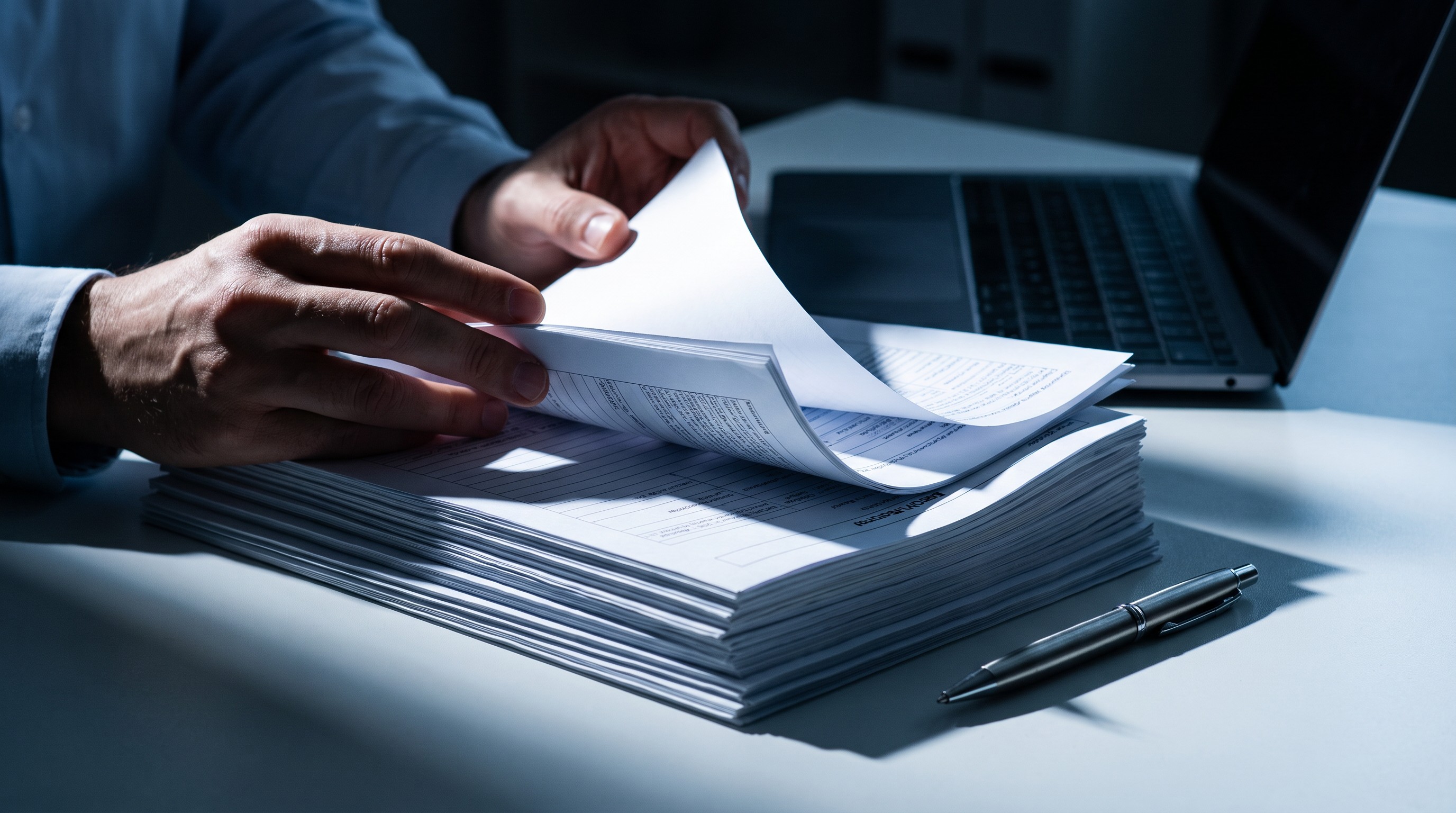
What the regulations do not show is how much reading they create. Before a single batch of medicine is released, a reviewer checks a batch record that can run to hundreds of pages. Packaging artwork is compared line by line against approved text, often in several languages. Deviations are investigated, audit trails are reviewed and computer systems are validated.
Most of this review confirms what was already correct. The real value lies in the handful of entries that are wrong, but finding them means reading everything. This is exactly where quality teams are stretched and where problems slip through. It is telling that inadequate investigation of discrepancies, under 21 CFR 211.192, was the second most frequently cited issue in FDA drug inspection observations in fiscal year 2025.
What reimagining GMP with AI actually means
Reimagining GMP with AI means handing the reading, checking and matching to AI, while qualified people keep every decision that matters. The rules do not change. The way teams meet them does.
In practice, the model has three parts. AI reads every page, label or record and checks it against approved rules, flagging anything that does not match along with the reason. A qualified person then reviews those flags and makes the call. Every flag and every decision is recorded, so the full trail is ready for any inspector.
This shifts expert time from searching to judging. EY has described how a well designed electronic batch record system can turn a 150 page review into a short exception report. AI brings that same idea to the many sites still working with paper and hybrid records, and to work beyond batch records entirely: checking labels before print, connecting deviations to find repeat root causes, and scanning audit trails for signs of data integrity issues. Each of these is explored in its own article in this series.
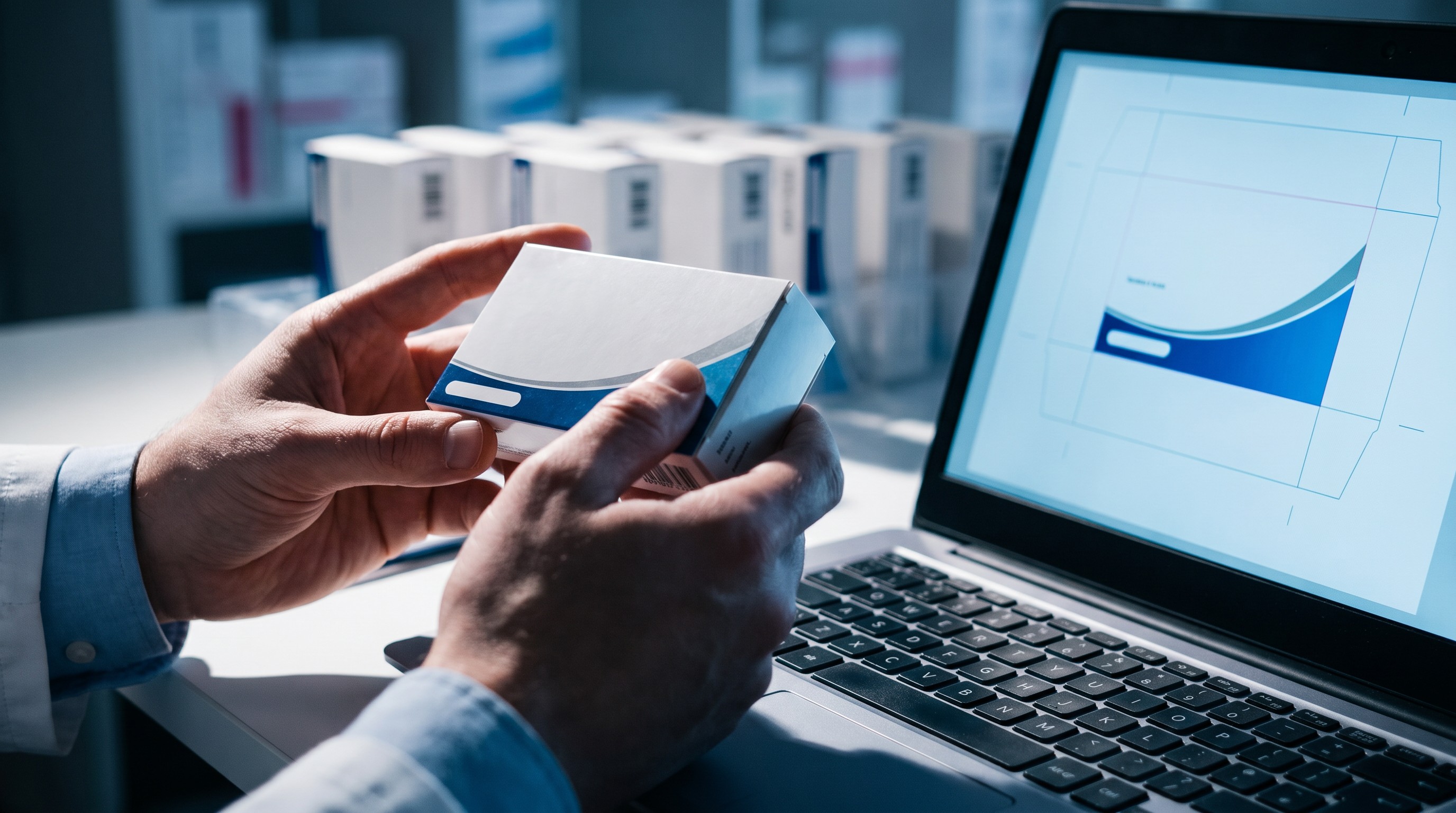
Labeling shows how this works in practice. A strong AI check does not just compare a new carton with the last approved version. It checks the final artwork against the approved label copy and against a rulebook of regulatory and brand requirements, ranks each finding by severity and leaves every accept or reject decision to a reviewer. The same check can run again when printed labels arrive from the supplier, closing the gap between what was approved and what actually reaches the packaging line.
Lessons from the first AI warning letter
The April 2026 case shows exactly what reimagining GMP with AI is not. According to published analysis of the letter, the firm told the FDA it had not known process validation was a legal requirement, because the AI tool it relied on never raised it. The AI was effectively acting as the company's regulatory expert, and nobody was checking its work.
The FDA's expectation is straightforward. If AI supports GMP activities, a qualified member of the quality unit must review and approve its output. Three practical lessons follow. AI should check work against rules that people have approved, not invent the rules itself. The quality unit keeps final authority over every GMP decision. And any AI used for GMP work must be validated, controlled and fully traceable, like any other computerised system.
Why the timing is right
Regulators are moving toward risk based thinking. The FDA finalized its Computer Software Assurance guidance in September 2025. It was written for medical device makers, but its central idea is now widely applied across life sciences: focus assurance effort on what affects product quality, not on producing paperwork. This aligns closely with GAMP 5 Second Edition, which many pharma teams already follow.
Europe is also writing rules specifically for AI. In July 2025, EU regulators released a draft Annex 22, the first GMP text written for artificial intelligence, alongside a revised Annex 11. At an EMA workshop held in June and July 2026, discussion signalled that the final Annex 22 is likely to cover large language models under risk based principles, rather than excluding them as the first draft did. A final text is expected by the end of 2026. A clear path makes it far easier for manufacturers to adopt AI with confidence.
And the workload keeps growing. More products, more markets and more frequent label rule changes are landing on quality teams that are not growing at the same pace.
Where to begin
The most successful programmes start small and specific. Choose one process where review volume is high and the rules are clear, such as label and artwork compliance or batch record review. Measure how long reviews take and how many errors are found today. Decide who will review the AI's flags and how decisions will be recorded. Then validate the tool for its intended use before relying on it, and expand only once the results are proven.
GMP will always be about trust. AI does not replace that trust. Used well, it gives quality teams more time to earn it.
Benchmark IT Solutions helps pharma and FMCG manufacturers apply AI to regulated work, from label and artwork review to batch record review and validation. If you are exploring where AI fits in your GMP processes, our team would be glad to talk it through.










.png)